In a world where counting sheep has become more of a nightly workout than a sleep aid, finding the right relaxation techniques for sleep can feel like searching for a unicorn. With busy schedules and endless to-do lists, it’s no wonder many toss and turn instead of drifting off into dreamland. But fear not—there’s a treasure trove of relaxation strategies waiting to rescue weary minds from the clutches of insomnia.
Overview of Relaxation Techniques for Sleep
Relaxation techniques play a crucial role in enhancing sleep quality. Various strategies can significantly reduce stress and anxiety, both of which hinder restful sleep.
Deep breathing exercises involve focusing on slow, deliberate breaths. Engaging in this practice helps lower heart rates and promotes relaxation. Progressive muscle relaxation requires systematically tensing and then relaxing muscle groups. It often promotes greater awareness of physical tension, aiding in overall body relaxation.
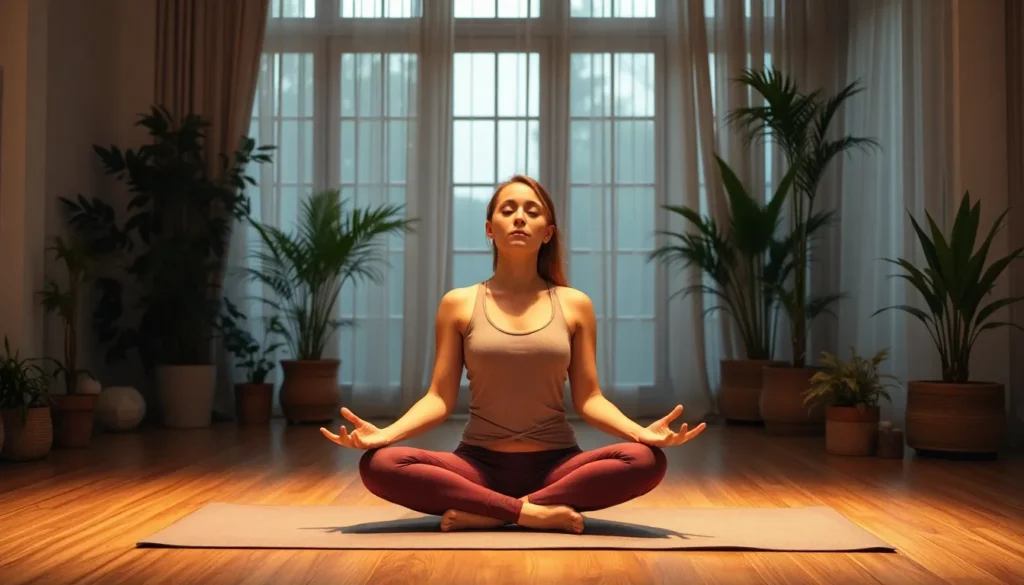
Meditation offers mental clarity and calmness. Regular meditation practice encourages individuals to let go of racing thoughts, which often interfere with sleep. Guided imagery, another technique, uses visualization to create calming mental images. This method can transport individuals away from distractions and into a peaceful mental state.
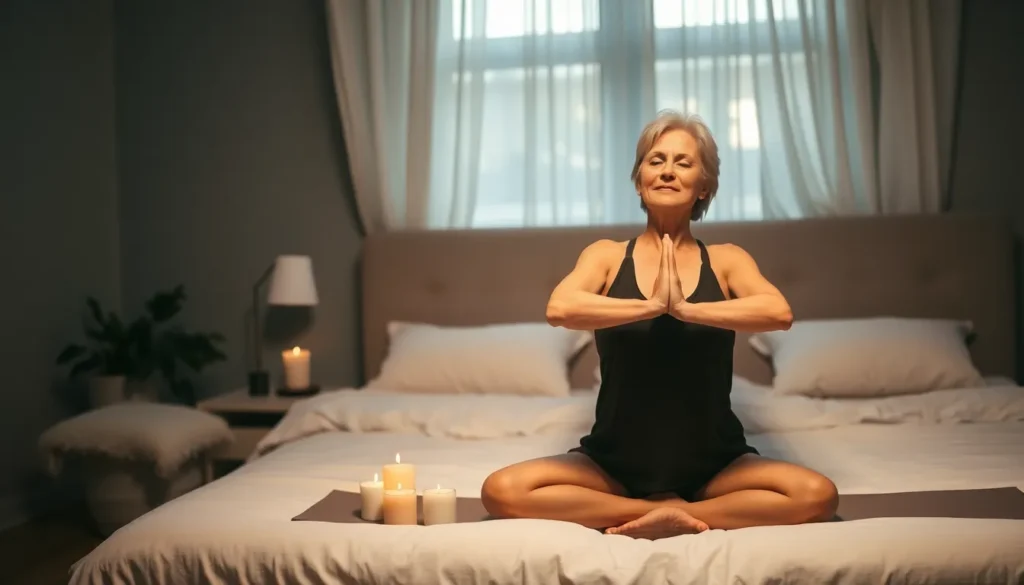
Yoga combines physical movement, breathing, and meditation into one practice. Specific poses can alleviate physical tension while facilitating mindfulness. Aromatherapy utilizes essential oils, such as lavender and chamomile, known for their sleep-promoting properties. Many people find incorporating these soothing scents into their bedtime routine beneficial for sleep onset.
Incorporating music or sound therapy into a nightly ritual enhances relaxation. Soft, ambient sounds can create a soothing atmosphere, making it easier for individuals to drift off. Establishing a bedtime routine that includes these techniques signals the body to prepare for sleep. Consistency in practice promotes a natural transition into sleep, reinforcing the overall effectiveness of these relaxation methods.
Benefits of Relaxation Techniques
Relaxation techniques offer numerous advantages for enhancing sleep quality and overall well-being. Understanding these benefits can motivate individuals to adopt effective practices.
Physical Health Benefits
Improved sleep quality leads to better physical health. Techniques like yoga and deep breathing lower blood pressure, promoting cardiovascular health. Enhanced immune function results from consistent relaxation, enabling the body to combat illnesses more effectively. These methods reduce muscle tension, alleviating discomfort and contributing to less pain during nighttime rest. Weight management may also improve, as stress reduction often correlates with healthier eating habits. Increased energy levels occur through adequate rest, allowing for a more active lifestyle.
Mental Health Benefits
Relaxation techniques significantly enhance mental health. Reduced anxiety levels lead to a calmer mindset, fostering emotional resilience. Improved focus often results from better sleep, allowing for clearer thinking throughout the day. Stress management becomes more effective, which can prevent stress-related disorders. Techniques such as meditation promote a sense of inner peace, creating a more balanced emotional state. Individuals may experience enhanced mood stability, which contributes to overall happiness and well-being. Improved mindfulness practices facilitate deeper connections with oneself, fostering a greater sense of self-awareness and personal growth.
Common Relaxation Techniques
Relaxation techniques play a crucial role in improving sleep quality. Several effective methods help individuals unwind, reduce stress, and prepare for restful sleep.
Deep Breathing Exercises
Deep breathing exercises promote relaxation by focusing attention on breath. Individuals can practice this technique by inhaling slowly through the nose, filling the lungs completely, and then exhaling gently through the mouth. This process helps lower heart rate and calm the mind, reducing feelings of anxiety. Practicing deep breathing for just a few minutes before bedtime can significantly enhance the ability to fall asleep.
Progressive Muscle Relaxation
Progressive muscle relaxation involves systematically tensing and relaxing each muscle group. This technique starts at the feet and moves up to the head, helping identify areas of tension. As muscles relax, the body experiences a sense of physical relief, which contributes to mental calmness. Spending about 10 to 20 minutes on progressive muscle relaxation before sleep can lead to a more restful night.
Guided Imagery
Guided imagery utilizes visualization techniques to create calming mental images. Individuals imagine a peaceful scene or a soothing environment, which encourages a sense of tranquility. This method shifts focus away from stressors, promoting relaxation and emotional well-being. Spending time on guided imagery can help prepare the mind and body for sleep.
Meditation and Mindfulness
Meditation and mindfulness foster a present-state awareness, reducing stress and anxiety. Practicing these techniques involves focusing on breathing or a mantras, which helps quiet the mind. Engaging in meditation for even short periods before sleep can significantly improve sleep quality. Mindfulness allows individuals to detach from worries, making it easier to transition into a restful state.
Creating a Sleep-Conducive Environment
A conducive sleep environment plays a significant role in enhancing sleep quality. Factors such as comfort and tranquility influence how easily an individual can drift off into slumber.
Importance of a Comfortable Sleep Space
A comfortable sleep space directly affects an individual’s ability to rest. Quality mattresses and pillows support proper alignment and relaxation. Ensuring bedding maintains an ideal temperature encourages a cozier atmosphere. Soft, breathable fabrics create a serene environment conducive to sleep. Arranging furniture to promote a sense of calm fosters relaxation. Individuals can enhance this comfort by incorporating personal touches, like favorite colors or calming decor.
Reducing Noise and Light Pollution
Managing noise and light pollution significantly impacts sleep quality. Dimming lights before bedtime signals the body to prepare for rest. Using blackout curtains prevents outside light from disrupting sleep cycles. Additionally, white noise machines can mask disruptive sounds, promoting a quieter space. Natural sounds may also create a peaceful atmosphere. Addressing potential distractions maintains focus on relaxation, which is crucial for a restful night. Overall, a well-controlled environment encourages deeper, more restorative sleep.
Embracing relaxation techniques can transform the way individuals experience sleep. By integrating practices like deep breathing and meditation into their nightly routine, they can significantly reduce stress and anxiety. This not only promotes a smoother transition to sleep but also enhances the overall quality of rest.
Creating a conducive sleep environment further amplifies these benefits. A peaceful space free from distractions fosters deeper relaxation, making it easier to drift off. Ultimately, the combination of effective relaxation methods and a tailored sleep environment paves the way for restorative sleep, leading to improved physical and mental health. Prioritizing these strategies can lead to a more balanced and fulfilling life.