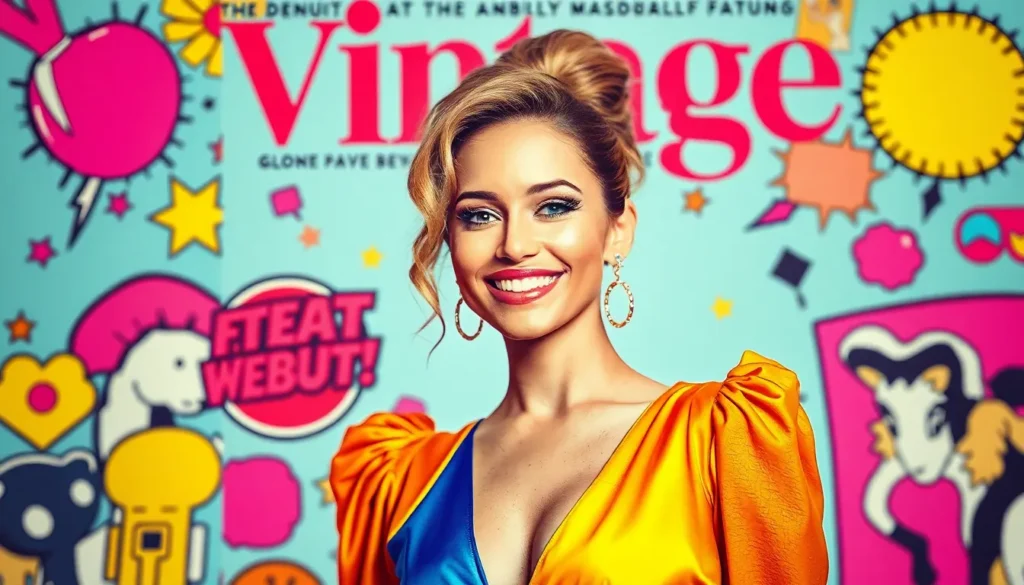
In a world where TikTok dances and celebrity gossip reign supreme, popular culture magazines serve as the ultimate guide to navigating the chaos. These glossy pages are more than just pretty pictures; they’re a treasure trove of insights into the trends that shape our lives. Whether it’s the latest fashion faux pas or the hottest movie releases, these magazines keep readers in the loop and entertained.
Overview of Popular Culture Magazines
Popular culture magazines play a crucial role in shaping societal views and trends. They cover a broad range of topics, providing insights into current fashion, entertainment, and lifestyle choices. Readers gain access to celebrity interviews and behind-the-scenes stories that humanize well-known figures. These publications often showcase the latest music releases and film reviews, making them a go-to source for entertainment enthusiasts.
Diverse readership spans different demographics, with content tailored to appeal to various interests. Visual appeal enhances reader engagement through vibrant photography and eye-catching layouts. By focusing on timely issues, these magazines keep audiences in the loop about cultural shifts and societal conversations.
Additionally, popular culture magazines contribute to the trend cycle, influencing consumer behavior. Advertisers often partner with these publications, resulting in fashion spreads that showcase trending products. Coverage of events like award shows captures public attention, creating discussions that reach beyond the pages.
Further, the advent of digital platforms has expanded their reach. Many magazines now maintain websites and social media presence, enabling instant access to current articles and updates. This transition enhances reader interaction, with comment sections allowing fans to engage directly.
Overall, popular culture magazines serve as a reflection of societal interests and aspirations. They navigate the complexities of modern culture, providing readers with an engaging and informative experience that resonates with contemporary life.
Key Features of Popular Culture Magazines
Popular culture magazines stand out due to their diverse content and captivating visuals. These attributes significantly enhance reader engagement and provide insights into contemporary trends.
Content Variety
Topics covered range from celebrity interviews to fashion trends and film reviews. Each issue immerses readers in the latest music releases and notable events in entertainment. Readers benefit from in-depth articles, analysis, and commentary, which highlight various aspects of popular culture. Features might include pop culture quizzes and user-generated content, engaging readers on multiple levels. The publication’s diverse approach caters to various interests, ensuring there’s something for everyone. Readers often find special issues dedicated to significant events or themes, further showcasing the magazine’s versatility.
Visual Aesthetics
Visually striking layouts attract readers and elevate the overall reading experience. Bold colors and high-quality images complement engaging articles, making content more appealing. Innovative design elements often feature eye-catching typography and creative infographics, enhancing information retention. Unique cover designs create a sense of anticipation, reflecting current trends or themes. Additionally, visual storytelling effectively conveys emotions and narratives associated with popular culture. Photographic content captures moments that resonate with audiences, connecting them to the culture they consume.
Impact of Popular Culture Magazines
Popular culture magazines influence trends and shape societal norms. These publications play a crucial role in setting and reflecting the tastes of their audiences.
Influence on Trends
Popular culture magazines often dictate the latest trends in fashion, music, and entertainment. They highlight emerging styles through editorial selections and features. By showcasing celebrity preferences, they inspire readers to adopt similar looks and tastes. Magazines also create buzz around new music releases and film projects, affecting what consumers engage with. The visual presentations in magazine spreads help communicate the feeling of these trends. Readers often turn to these sources for inspiration, further amplifying the magazines’ impact on societal trends.
Audience Engagement
Audience engagement remains a key focus for popular culture magazines. Interactive content, such as polls and social media integration, encourages reader participation. Trendy visuals attract attention and maintain interest in articles. Magazine layouts emphasize storytelling through captivating photography and illustrations. Editorial teams prioritize creating relatable content that resonates with a diverse audience. Readers frequently engage with the magazine’s online platform, increasing overall community involvement. Such engagement enhances loyalty to the publication and stimulates conversation about cultural phenomena.
Notable Popular Culture Magazines
Popular culture magazines play a vital role in shaping contemporary trends and opinions. Two standout publications exemplify this influence.
Magazine A
Rolling Stone magazine has been a cornerstone of popular culture since 1967. It covers a wide range of topics, including music, politics, and pop culture. Famous for its in-depth articles, it features interviews with notable artists and thought leaders, keeping readers connected to cultural movements. The magazine’s iconic photography and bold design capture the essence of rock and roll. Significant music events, film critiques, and social commentary fill its pages, allowing readers to explore the intersection of art and society. Rolling Stone’s ability to adapt to new trends while maintaining its unique voice sustains its relevance in an ever-evolving landscape.
Magazine B
Entertainment Weekly offers insights into the entertainment industry in a compact format. Launched in 1990, it provides timely news on movies, television shows, and music releases. Readers can find comprehensive reviews and celebrity interviews neatly packaged within its informative articles. The magazine’s vibrant design and accessible content attract a wide audience, making it a go-to source for entertainment updates. Event previews, ratings, and box office analysis enrich the reader experience. Entertainment Weekly consistently balances engaging storytelling with critical analysis, successfully appealing to both casual fans and die-hard enthusiasts.
Future of Popular Culture Magazines
The future of popular culture magazines hinges on their ability to adapt to rapid technological advancements. Digital platforms increasingly dominate media consumption, pushing traditional print formats to innovate. Innovative strategies include augmented reality features that enhance reader engagement and interactive storytelling that captivates audiences.
Emerging trends indicate a growing emphasis on sustainability within the magazine industry. Eco-friendly printing practices and digital subscriptions reduce waste and appeal to environmentally conscious readers. Both established and new publications are likely to embrace these practices, aligning with broader societal values.
Content personalization represents another significant shift in the landscape. Tailored articles and curated recommendations cater to individual preferences, enhancing reader loyalty. Additionally, data analytics will inform editorial decisions and help magazines maintain relevance amid changing interests.
Social media integration plays a critical role in the evolution of these magazines. Platforms like Instagram and TikTok serve as essential tools for promoting content and reaching wider audiences. Engaging influencers and creators connects magazines directly with younger demographics, building community and fostering discussions around popular culture.
Moreover, multimedia content’s rise cannot be ignored. Short videos, podcasts, and interactive articles enrich the reading experience, making it more dynamic. As audiences seek diverse formats, magazines will likely continue diversifying their offerings.
Overall, popular culture magazines are poised to evolve alongside societal shifts and technological advancements. By embracing change and focusing on the future, these publications can maintain their significance in shaping cultural narratives and trends.
Popular culture magazines continue to play a vital role in shaping societal trends and cultural narratives. Their ability to adapt to changing landscapes ensures they remain relevant and engaging. Through captivating visuals and diverse content, these publications not only inform but also inspire their readers.
As they embrace new technologies and platforms, popular culture magazines are well-positioned to influence future generations. By focusing on sustainability and personalization, they can enhance reader loyalty while staying attuned to the evolving preferences of their audience. The journey of these magazines is far from over, and their impact on culture will undoubtedly persist in exciting ways.