
If you think the hospitality industry is just about comfy beds and fancy meals, think again. In this fast-paced world, trends are evolving quicker than you can say ‘room service.’ From cutting-edge technology that would impress even the Jetsons to sustainability practices that make Mother Nature proud, the latest trends in hospitality are reshaping how guests experience their stays. Buckle up as we jump into the coolest shifts that are changing the hospitality game, proving that being in the business of comfort is anything but boring.
Sustainability Practices
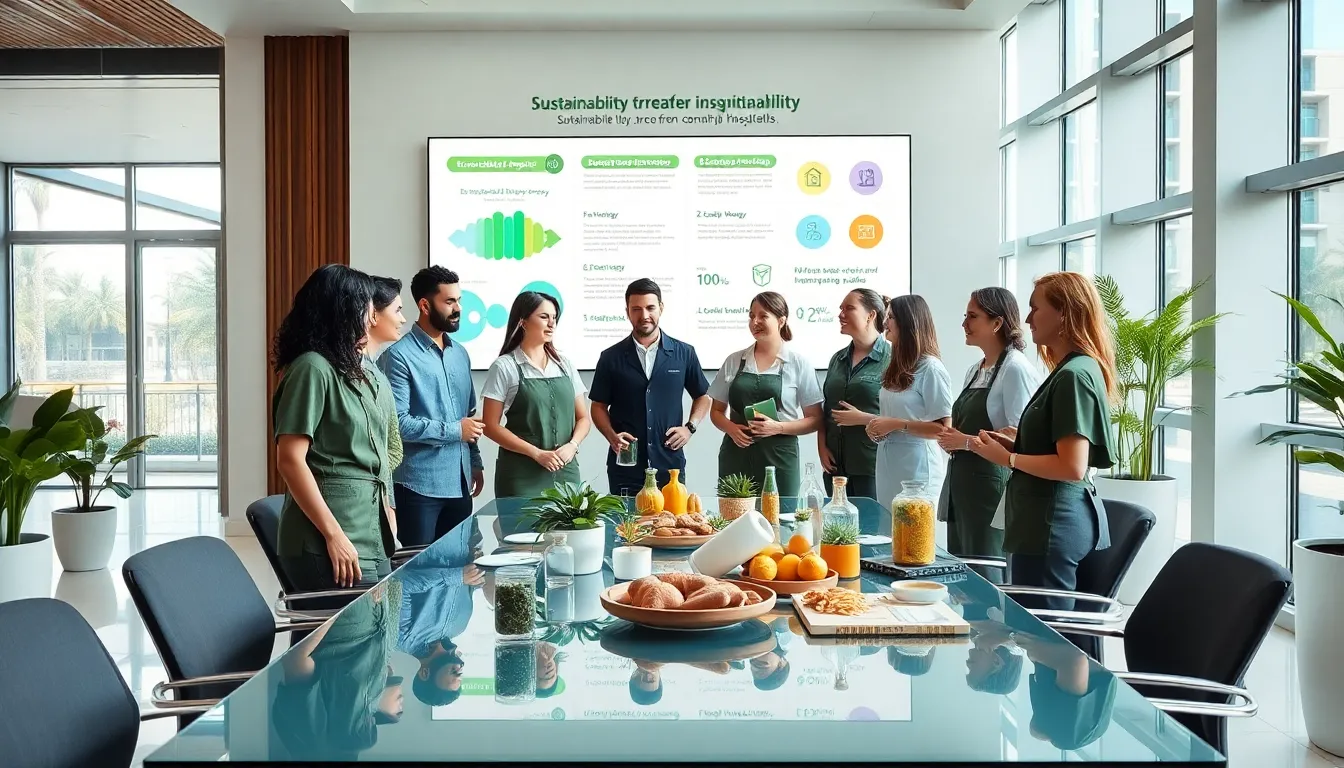
Sustainability is no longer just a buzzword: it’s a necessity. Many hospitality businesses are embracing eco-friendly practices to reduce their carbon footprints. Consider the rise of solar energy installations at hotels or the use of plant-based amenities that are biodegradable. Plus, many establishments are committing to local sourcing for food and beverages. Not only does this support local farmers, but it also creates a fresher dining experience for guests. Any hotel ignoring sustainability might as well be stuck in the past.
One notable trend is the introduction of zero-waste policies. Some businesses are opting for composting systems and recycling programs that ensure minimal waste ends up in landfills. This shift helps create an image of responsibility that resonates with the eco-conscious traveler. Through these practices, hotels and restaurants not only appeal to environmentally-minded patrons but often find that they can save money in the long run. Who knew going green could also mean saving some green?
Technological Innovations
If technology was a guest at the hospitality party, it would definitely steal the show. Modern consumers expect seamless digital experiences, and the hospitality sector is stepping up. First of all, contactless check-ins are gaining momentum, allowing guests to bypass the traditional front desk and head straight to their rooms. Who wants to wait when you can skip the line and get straight to relaxation?
Also, chatbots and virtual concierges are transforming customer service. They provide instant support, answering questions about amenities or room service within seconds. This eliminates the guesswork for guests and allows staff to focus on providing personalized attention where it matters.
Another marvel of tech innovation is the rise of smart rooms, where guests can control lighting, temperature, and entertainment systems through their smartphones. It’s like having a personal assistant but without the awkward conversations.
Personalized Guest Experiences
The days of one-size-fits-all experiences are long gone. Nowadays, personalization is the name of the game in hospitality. Hotels are leveraging data analytics to tailor experiences to their guests. For instance, tailoring room preferences based on previous stays or offering personalized itineraries that align with guests’ interests has become commonplace.
Imagine stepping into your hotel room, and finding your favorite snacks waiting for you. Sounds dreamy, right? From curated welcome gifts to bespoke concierge services, every detail can reflect personal preferences. With such thoughtful touches, customers are not just satisfied, they’re loyal.
Plus, social media platforms allow hotels to showcase unique travel packages that appeal directly to targeted demographics. For example, adventure seekers might see promotions for eco-tours, while families could be drawn to kid-friendly activities. This approach not only fulfills individual needs but also enhances the overall guest experience.
Health and Safety Protocols
In a post-pandemic world, health and safety protocols have evolved from optional to essential. Hospitality businesses are prioritizing cleanliness like never before. Enhanced sanitization measures, including frequent cleaning of high-touch surfaces and UV disinfection systems, reassure guests that their safety is prioritized.
Hotels are also implementing rigorous health screening for staff and guests, going beyond the minimum requirements to create an environment of trust. Also, many establishments are adopting paperless menus and checklists, reducing touchpoints and enhancing guest comfort.
Travelers today want to feel secure in their choice of accommodation, and those businesses that effectively communicate their commitment to health standards will undoubtedly see increased patronage. A clean and safe stay isn’t just a trend: it’s a baseline expectation.
Remote Work and Hybrid Models
The surge in remote work has opened up new possibilities for the hospitality sector. More than ever, professionals are blending work and leisure in what’s being termed “workcations.” Hotels are capitalizing on this trend by offering packages tailored for remote workers, complete with high-speed internet, spacious workspaces, and relaxing environments.
Many establishments now provide co-working spaces within their premises, transforming guest lounges into productive hubs during the day. These spaces often include meeting rooms equipped with the latest technology, allowing teams to meet while on the road.
This trend not only attracts business travelers but also leisure-seekers looking to escape their home office. Imagine working for a few hours on a beach and then unwinding with a cocktail at sunset. Sounds like a win-win.
Shift Towards Local Travel
As travel regulations shift and the world opens up after significant closures, there’s been a notable shift toward local travel. People are rediscovering attractions close to home, and hospitality businesses are embracing this trend. Hotels are crafting packages designed specifically for local residents, encouraging weekend getaways and day trips.
This focus on local tourism not only supports the economy but also fosters a sense of community. Hotels promote nearby restaurants, parks, and attractions, weaving an experience that feels personal and intimate.
Also, this trend helps mitigate the unpredictable nature of international travel, making it easier and more appealing for guests to enjoy a quick escape without the hassle of long-distance travel. As a result, the hospitality industry is witnessing a revival of local gems that had been overshadowed by overseas destinations.